


Regenerative Farming in British Foodservice: Scalable Solutions
At Foodbuy’s recent Future Farms: A Regenerative Agriculture event, our managing director Christian Raggio joined a panel to talk about one of the biggest questions facing British foodservice: How do we make regenerative farming real, scalable, and meaningful for chefs, farmers, and supply chains?
At IMS, we believe we should be focusing on practical outcomes over buzzwords and build supply chains that genuinely work for today’s kitchens.
What regenerative farming really means for foodservice
Christian started the session by highlighting the importance of stripping away the jargon. He explained that regenerative farming isn’t a certificate or a marketing badge, it’s a direction of travel in farming which must be measured through continuous improvement.
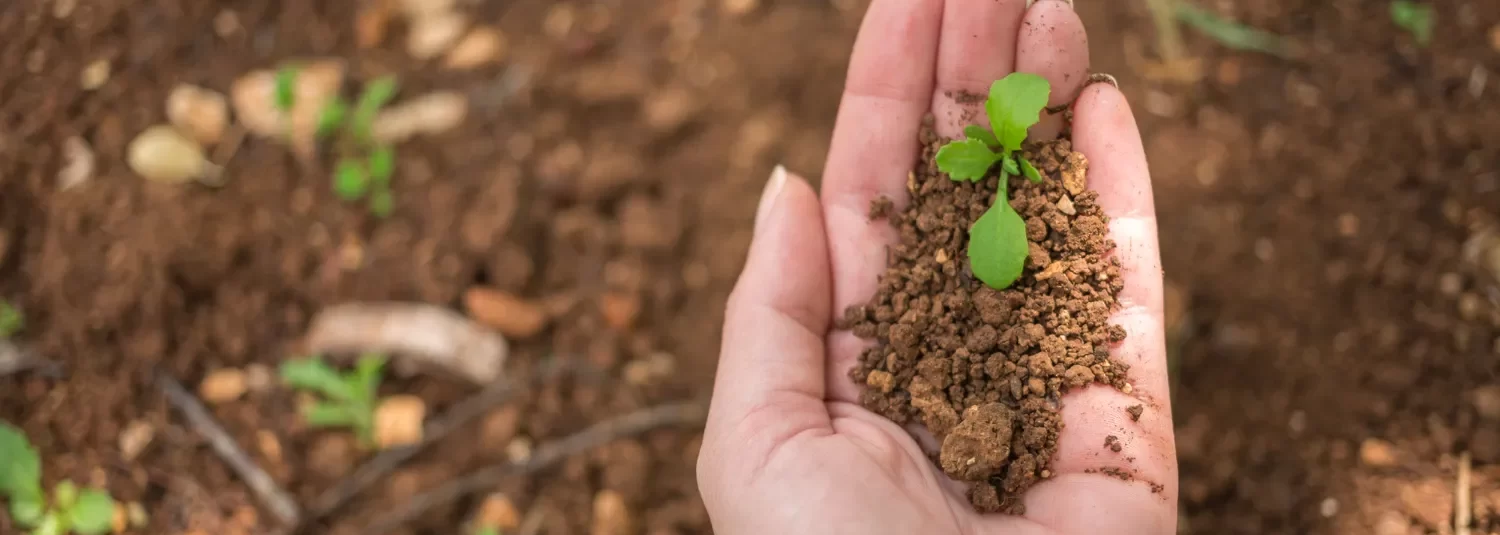
We believe that it starts with soil health whereby farmers are increasing organic matter, improving water retention, encouraging microbial and fungal activity and using grazing livestock to stimulate the natural processes.
For chefs, that means the animals they cook in the future have been raised on healthier grass, in farming systems that perform better naturally year after year.
Using livestock
Christian highlighted that well‑managed cattle are powerful environmental tools. Through rotational grazing and adequate rest periods, livestock can:
- Build carbon levels and soil structure
- Reduce dependency on synthetic fertilisers
- Enhance biodiversity
We are really interested in these outcomes, as we believe credibility has to come from measurement and transparency and not by overclaiming.
A passion for regenerative farming
Our strategy is built on partnerships and we work hand‑in‑hand with farmers who are already running regenerative systems in commercial, scalable ways.
For example, we are already working with a pioneering group of over 90 regenerative multipliers focused on livestock genetics that deliver higher feed efficiency, lower emissions intensity, animals suited to grass‑based regenerative systems and optimised genetics to reduce methane output.
Christian shared another of our fantastic examples of regenerative grazing in action. Sutton Hoo Farm work hard on soil regeneration, biodiversity recovery and commercially viable production.
Why emissions intensity matters
Christian talked about a crucial metric which chefs need to understand when focusing on sustainability. That is the emissions intensity per kilo of meat.
Regenerative red meat becomes scalable for foodservice by producing more from less, without compromising on quality. We are investing heavily in farm‑level data visibility, giving traceability chefs can explain and share with consumers and information aligned with Scope 3 reporting which is vital for those businesses committed to Net Zero.
We fully understand that regenerative farming must be commercially sound. If it’s only viable for premium menus or dependent on permanent price premiums, it will never scale.
Christian outlined where the real commercial value lies:
- Reduced reliance on uplifted fertiliser and feed markets
- Greater consistency for kitchens
- Systems that become more cost‑efficient over time
- Carcass utilisation that supports low‑margin, high‑volume sectors such as education, healthcare and defence
Regenerative farming delivers where it matters. It supports Net Zero and Scope 3 commitments, strengthens British food security, protects supply chains, gives chefs a meaningful story their diners will care about and works in real‑world commercial conditions.
Speaking about his time on the panel, Christian commented: “Regenerative farming isn’t a label but a process. It’s about building resilient farming systems that show measurable improvement year on year, producing food that improves the health of the land while staying commercially viable and scalable.”